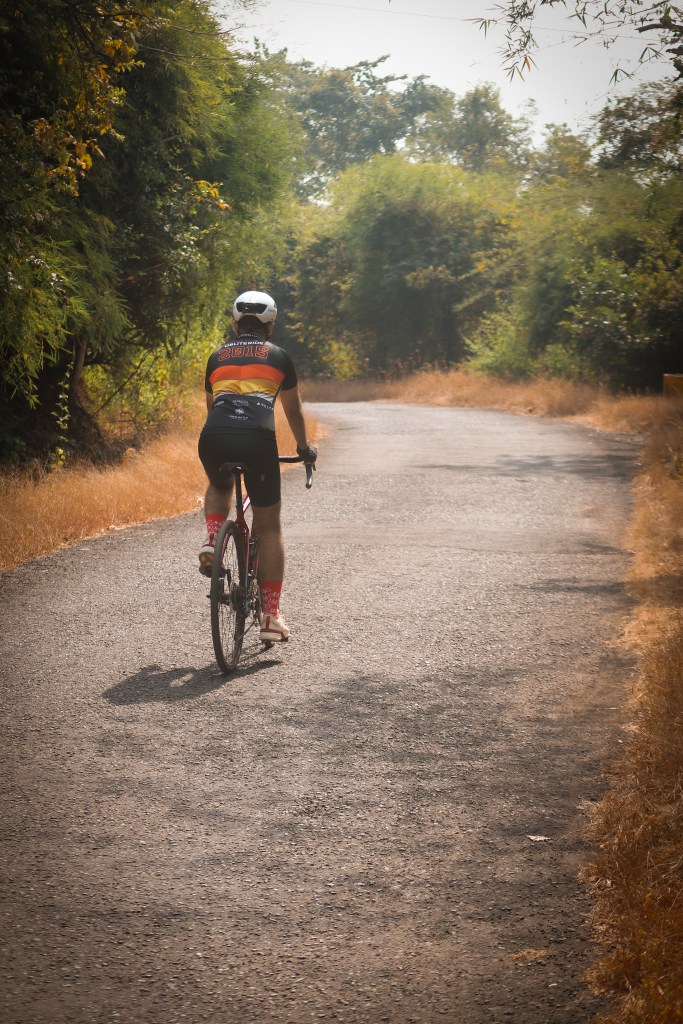
FIVE LEARNINGS AND TAKEAWAYS FROM THE MPOWER CYCLOTHON 2025
Thousands of riders pedal past mental health stigma in Mumbai advocating for inclusivity, emotional solidarity, road safety and the future of competitive sports.
1. Mental and Physical Health are two sides of the medal:
Learning: The Mpower Cyclothon 2025 edition is a reminder that mental health is just as crucial as physical health and the two are crucial links of the body’s fitness chain. Physical activities like cycling triggers the release of endorphins which are important for dealing with issues like stress, anxiety and depression. Happy hormones infuse stability, renews self-believe to perform and excel in various challenges.
Takeaway: Mass scale events like the Mpower Cyclothons are a powerful platform to bridge the gap and bring a balance between the Mental and Physical health and reinforces the fact that ‘Movement’ is essential and beneficial for both the body and the mind.
2. Stronger together:
Learning: With a whopping 6000+ participants, the Mpower Cyclothon demonstrates that large-scale community driven cycling events are substantially impactful in tackling mental health challenge with openness, solidarity and support.
Takeaway: The invisible issue of mental health stigma can potentially be addressed through open conversations and ongoing support. The appearance of public figures like celebrities, para-athletes, government officials and corporate leaders whole-heartedly supporting the cause creates a confident environment for people to reach out and seek help without hesitation because it’s okay not to be okay!
3. No one should be left behind:
Learning: The Mpower Cyclothon ride distances was bucketed into multiple categories ranging from 10 km to 100 km which allowed participants to choose the distance based on their individual capabilities. The events inclusive approach further involved diverse groups like the wheel-chair participants, visually-impaired tandem cycling group, employees from the India Post, Mumbai Dabbawalas and para-athletes.
Takeaway: The Mpower Cyclothon event validated the reality that Mental health battle is a universal movement and the road to mental wellness can be achieved through a shared social effort and by keeping the demographic differences aside and prioritising opportunities for freedom of expression for one and all.

4. Safe Roads must be the top priority:
Learning: The unfortunate incidents of near collisions and crashes reported by a few participants due to drivers bypassing security barricades and sneaking into the temporary car-free lanes meant for cyclists is a major concern. This aggressive driver behavior, not only put the cyclists on risk but creates an atmosphere of fear for cyclists racing with high speeds in the competition.
The final route allocation and permissions are also a big disappointment. Few hours of blocking traffic for cyclists’ safety and to offer a good cycling experience to the participants is not much of an ask from the event organizers and the government officials should be sensitive to the safety aspects during sanctioning of the route. At the same time, the organizers should ensure that there are zero safety lapses on the route while the cyclists are in action mode.
Further, the disparity in allocating sports-friendly routes like Bandra-Worli Sea-Link for marathon events and not for cycling events clearly stands-out. All citizens have equal rights to access public infrastructure and all sports should get equal treatment regardless of its legacy and brand equity.
Takeaway: The event highlights the mental health issues of impatient drivers who demonstrate aggressive behavior every day on the road. They need to be treated for disrespecting traffic rules that leads to chaos, congestion and noise which eventually disturbs the mental health of people who are already fit.
The message given by Shri Krishna Prakash (IPS) emphasized the benefits of cycling for a healthier future, adopting active mobility for building sustainable cities and urged motorists to give 4-feet space to cyclists and treat them with respect.
And more importantly, the civic body should consider the safety needs of fitness enthusiasts to actively support the growing cycling community while planning, designing and implementing infrastructure.
5. Training ground:
Learning: Big scale cycling events have the potential to become training grounds and provide opportunities for young riders, newbies and for aspiring athletes who wants to participate in national and international races.
Takeaway: Participants can compete in such races to test their level of competitiveness, experience the race day challenges, train with the pro-athletes, analyse their post ride performance and build a portfolio for themselves.
6. Bonus Point, Mobilizing Mindsets in a Mega-city:
Learning: It is evident that organizing such cycling events with thousands of riders conquering busy urban streets requires high level of coordination between, the organizers, traffic department, police officials, civic bodies, emergency services, support volunteers and participants for a smooth execution.
Takeaway: The Mpower cyclothon serves as a blueprint on how mega events can integrate into Mumbai’s complex urban landscape. The city should solve the current shortfalls and build its capacity to hold similar health and awareness campaigns. A shift from car-centric mindset can empower the people in power and open the door for a safer, healthier and sustainable future.
What are your views on the above?
Please leave your comments and subscribe to this blog for future posts.
Photo credits: Mpower Cyclothon 2025
Also read, ‘UTRECHT IS THE BEST CYCLING CITY IN THE WORLD’: COPENHAGENIZE INDEX 2025 REPORT
Support this Blog, buy me a coffee from here
Follow this blog on YouTube, Facebook, Twitter, Instagram, Threads, BlueSky, Strava Club
Author: Vijay Malhotra, Mumbai.
Discover more from Pedal and Tring Tring
Subscribe to get the latest posts sent to your email.
Categories: Events